Posts

Showing posts with the label sustainability

Water Scarcity and Sanitation: Where’s our water?

Image
By: Lawrence Liu   At first glance, water accessibility may not seem like a problem: walk into the kitchen, turn the tap, and boom, water. Right? Maybe for most, but for over a quarter of the population,1 going to get water every day might look like an hour-long trek to the nearest well/borehole. Even worse, others might have no choice but to drink water from ponds or puddles, which could be potentially lethal. On top of poor access to water, nearly half the population does not have proper access to sanitation, leading to the transmission of diseases, reducing social and economic development, and over a million deaths per year.1,2 The UN has seen the effects of lack of access to safe drinking water and sanitation and now recognizes them as fundamental human rights, calling for efforts to help countries in need. The problem of water scarcity has only gotten worse over time, as can be seen when looking at the past. In hunter-gatherer societies that existed tens of thousands of y...

Sustainable Development Goal 5 and the Reasons Behind It

Image
By: Damilola Adeosun The International Humanitarian Law is explicit when it says that every country’s responsibility is to ensure security and a good quality of life for all of its population. Each nation worldwide must guarantee a decent life to every citizen regardless of gender. Sustainable Development Goal 5 (SDG 5) has nine targets and 14 indicators, which include: ending all forms of discrimination against all women and girls everywhere; ending the exploitation of women and girls; ending female genital mutilation, increasing the number of women in decision-making areas, and increasing access to reproductive and healthcare. Among the many other issues we are fighting in today’s world, the one that is particularly urgent since it affects 51% of the world’s population is The Gender Issue. Women and Girls still face significant violence, lack of formal schooling education, job uncertainty, discrimination, and prejudice. Though many policies have been discussed and passed to address t...

What is Fast Fashion? And Why is it a Problem?

Image
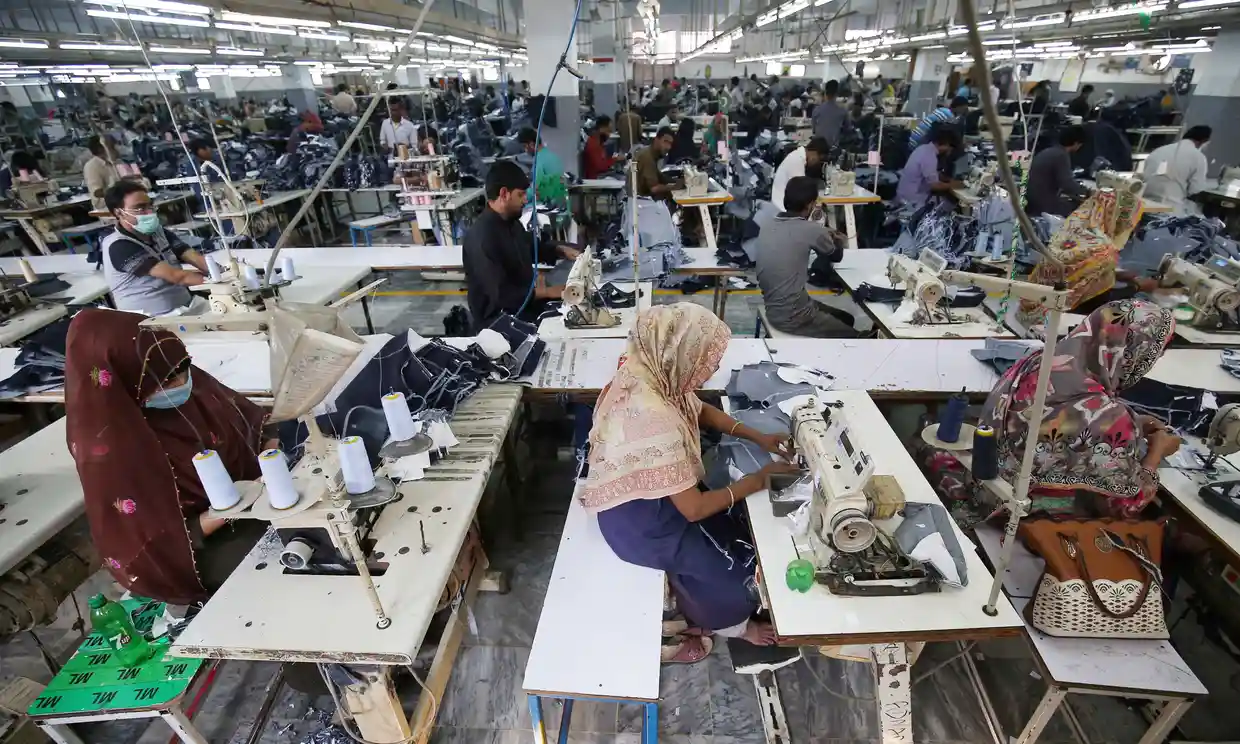
What is Fast Fashion? And Why is it a Problem?  By  Emily Zhu We hear about fast fashion all the time, how it's unsustainable and destructive. But what is fast fashion?  Fast fashion is cheap clothing being produced very quickly. It's made in bulk, and the idea is to obtain the latest trends at an affordable price. Sounds good, right? With that also comes horrible working conditions and negative impacts on the planet, and much more. But before I delve deeper into all that, let's talk about the history of fast fashion.  To start, in the 1800s, all "fashion" was produced by hand. If you could, you would make your clothes. This was a very inefficient way to make clothes. Still, due to a shortage of other options, this continued until the industrial revolution where things like sewing machines made it easier and faster to produce clothing. Eventually, clothes became a way of personal expression, and trends were popping up left and right. So, clothing brands such as Za...

The Caribbean

Image
Written By: Andrew Zhang Palm tree lined roads, romantic walks on beautiful beaches, and sunsets from the balcony of your cruise ship. The ideal place for relaxing and basking in the warm sun. However, beneath this rosy paradigm, there lies a shrouded, darker side of this two-faced tropical paradise. The real Caribbean represents an epidemic of natural and manmade disasters. Massive flooding, devastating hurricanes, city-shattering earthquakes are all the norm, and the Caribbean’s already lackluster infrastructure, failing financial markets, rising crime rates, poverty, and corruption in the government are no less deadly. These problems, among others, have contributed to much of the Caribbean's problems, and have been at the center of their recent history. (Caribbean Journal Staff). 1 o’clock, Eastern standard time. Gunshots in the streets. A state of emergency declared. President declared dead. Country left in upheaval and chaos. Ex-President Jovenel Moïse was democratically el...

The Importance of Installing Solar Panels in Every American Home

Image
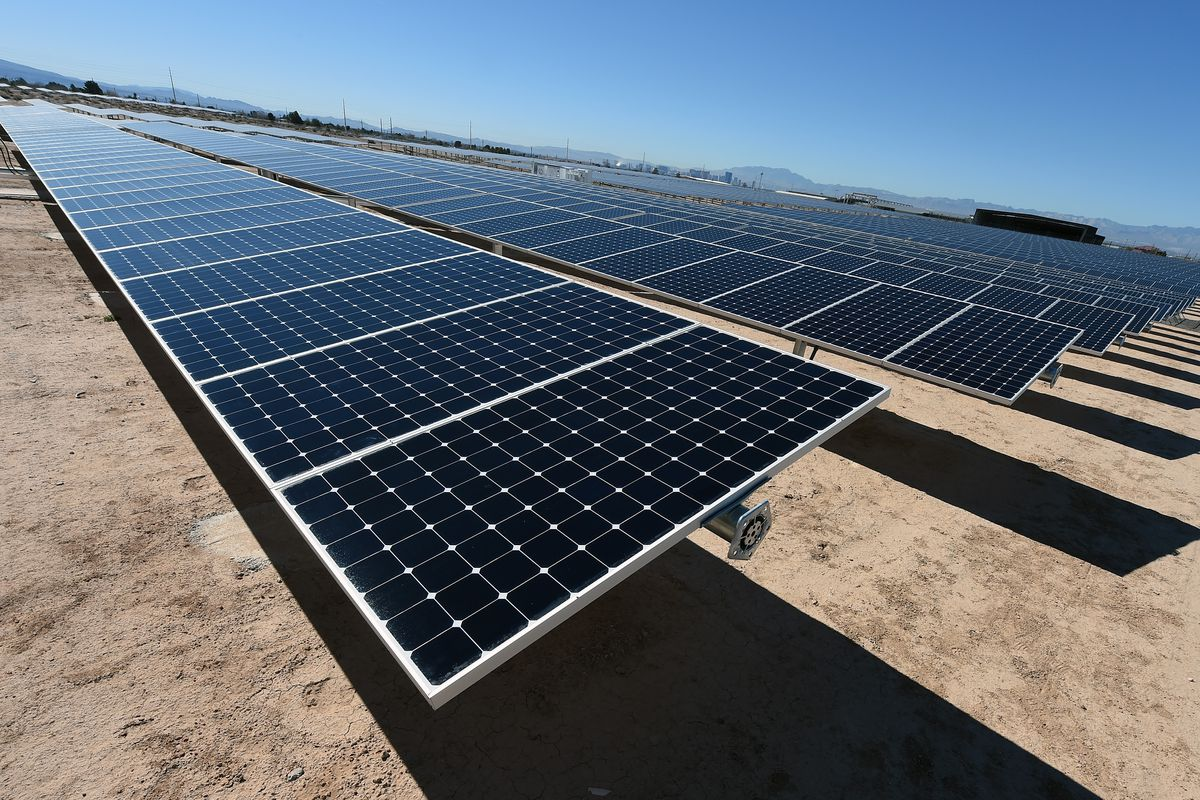
 Written By: Matthew Lin ARE Solar, a company which has a documented record of professional installation of top-quality solar systems, “The average American household produces 14,920 pounds of carbon dioxide (CO2) each year, assuming an average monthly energy consumption of 957-kilowatt hours.”. If we assume that every American is part of a 4-member nuclear family, and if we consider the population of America is around 330 million, that would mean that we produce approximately 1.2 trillion pounds of carbon dioxide each just from using fossil-fuel generated electricity, however, this is obviously all conjecture. Beyond this, we must keep in mind that these figures of massive amounts of carbon emission are only from fossil-fuel-generated electricity. According to the SEIA, a national non-profit trade association of the solar-energy industry, electricity only contributes to 28% of the greenhouse gas emissions and thus we can see that total emissions should be 3-4 times that value. Wit...

The Calamities of Commercial Fishing

Image
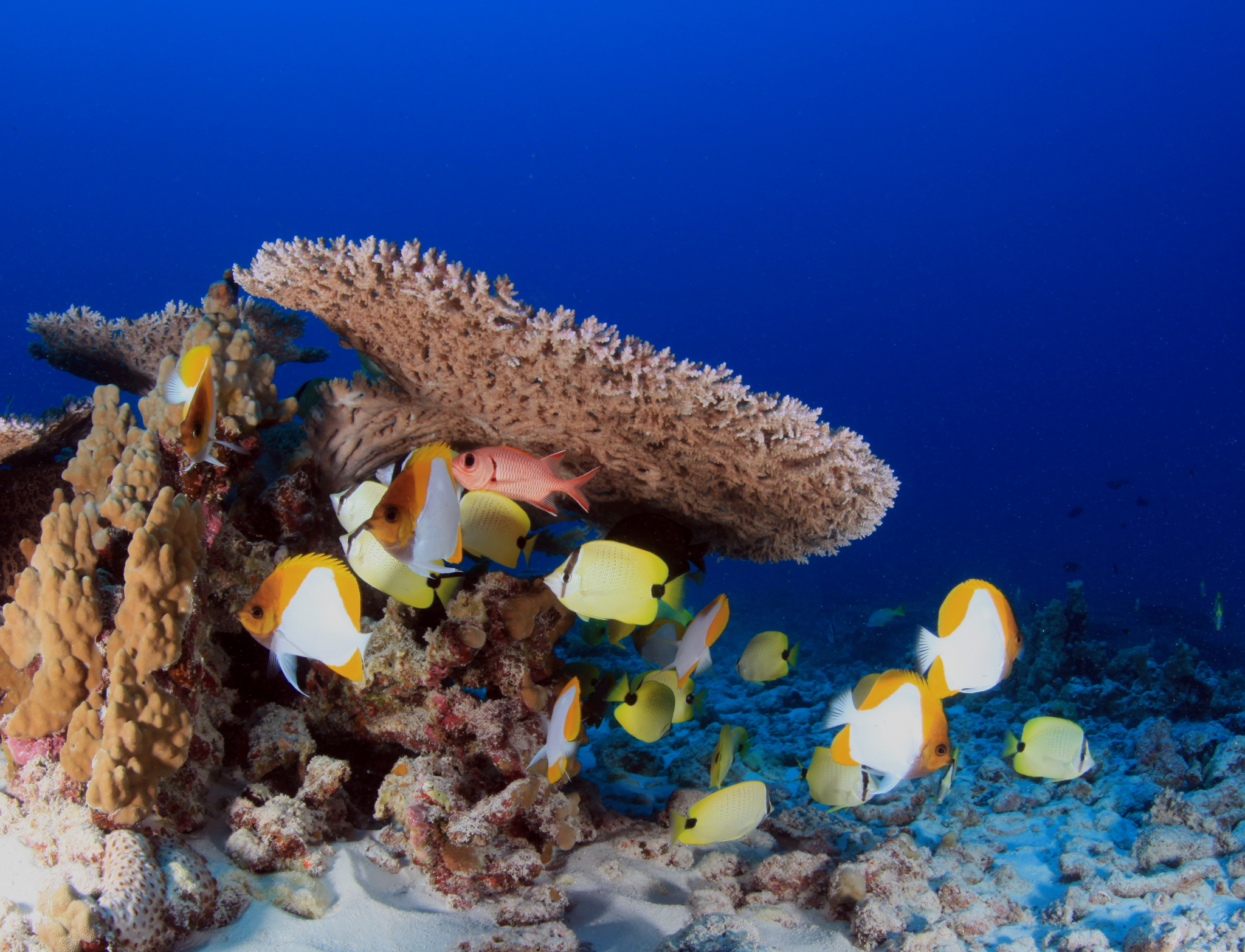
Written By: Sandy Saleh What is Commercial Fishing? For centuries, the paradigm of aquaculture has created a pigeonhole altered by economic and social facets. For one, fish was one of the earliest incorporations into the human's daily diet. The methods of acquiring fish have become diverse, ranging from hunting mollusks in the shallows of water to capturing fish in lakes and rivers with nets and traps. From this, it is evident that the implementation of artificial innovations forever altered the vanity of fishing. The idyll of inebriated uncouth sailors hauling thousands of sea creatures on top of a schooner sluiced with the indulgence of water has become a mere jaded tantalization of the reality.                 Specifically, the inception of commercial fishing and harvesting delectable seafood from bodies of water through commercial profit and monetary gain is a derivative of the necessary technological innovations during the Indu...

America's Oil

Image
Written By: Rich Liu Fossil fuels play a vital and varied role in the modern world, from space travel down to indoor heating. However, as versatile and seminal as this source of energy may seem they are ultimately detrimental to the biosphere that is the earth. President Biden’s recent proclamation for National Ocean Month combined with his decision to suspend oil drilling leases in the Arctic National Wildlife Refuge serves to emphasize the importance of bold climate action in his agenda. Due to the immense exhaustion of onshore oil wells and years of on-land oil exploitation, drilling leases have become a new focus. Undeveloped centers of natural resources such as Alaska and the Arctic are gaining notoriety from energy corporations due to the vast raw materials and abundant resources that have yet to be touched. An estimated $1 trillion worth of oil, gas, and other resources are buried under the Arctic ice and water with approximately 11 billion barrels are considered to be easily ob...